
The emotional rollercoaster Understanding the psychological impact of gambling
The Thrill of Anticipation
The psychological impact of gambling often begins with the thrill of anticipation. Players frequently experience a rush of excitement as they await the outcome of a game, whether it’s a card being drawn or a slot machine spinning. This initial surge can lead to a heightened sense of euphoria, driven by the unpredictability of chance and the potential for a big win. This phenomenon is partly due to the brain’s release of dopamine, a neurotransmitter associated with pleasure and reward, which reinforces the desire to continue gambling. For those seeking an engaging experience, the ice fishing game offers a thrilling twist on traditional gaming.
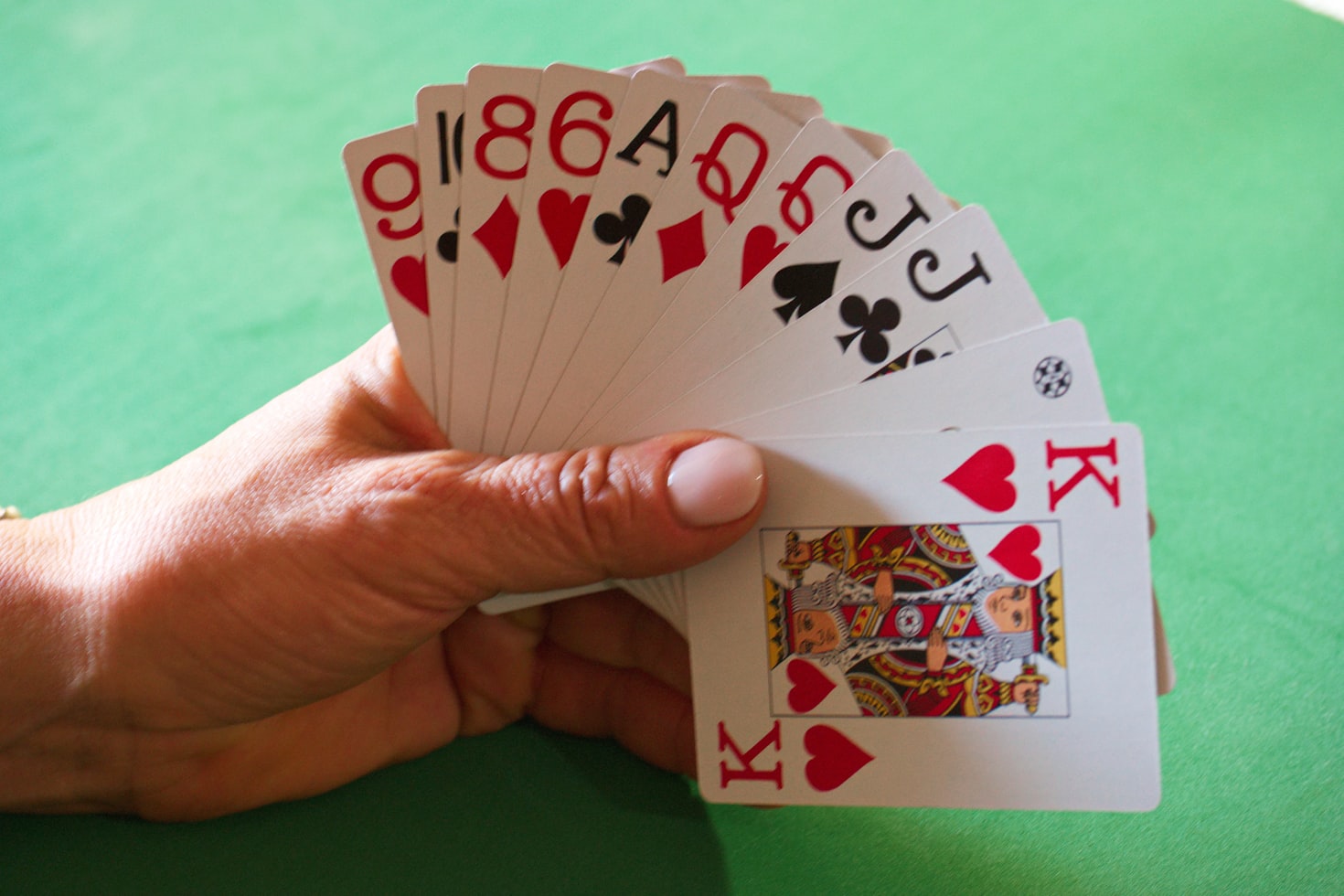
However, this thrill can create a precarious emotional balance. The same anticipation that excites players can also lead to anxiety and stress, especially when losses occur. This emotional push and pull can make gambling an addictive experience, as players seek to recapture the exhilarating highs while often facing painful lows.
The Descent into Anxiety
As individuals immerse themselves deeper into the gambling world, they may find themselves on a downward spiral of anxiety and stress. The pressure to win can lead to obsessive behaviors, creating a cycle where players chase losses in hopes of financial recovery. This behavior can severely impact mental health, leading to increased feelings of despair and hopelessness when victories remain elusive.
Moreover, this descent is often compounded by social isolation. Many gamblers may withdraw from friends and family, leading to strained relationships and further emotional turmoil. The stigma surrounding gambling can exacerbate feelings of shame, creating a vicious cycle of anxiety and self-doubt.
The Role of Social Influence
Social dynamics play a significant role in the gambling experience, particularly among high rollers. Those in affluent social circles may feel an added pressure to maintain a lifestyle that includes high-stakes gambling. This can lead to a distorted view of gambling as a social norm or an expected behavior, further entrenching individuals in this emotional rollercoaster.
The influence of peers can also lead to risky decision-making. High rollers may find themselves engaging in gambling behaviors that they might otherwise avoid, driven by a desire to fit in or impress others. This social validation can temporarily boost self-esteem but ultimately leads to negative consequences, as the stakes become higher and the emotional toll increases.
Recognizing the Signs of Problem Gambling
Understanding the psychological impact of gambling is crucial for recognizing the signs of problem gambling. Many individuals may dismiss their behavior as harmless fun, overlooking the signs of addiction. Symptoms can include increased secrecy about gambling habits, a need to gamble with larger amounts to achieve the same thrill, and a withdrawal from social activities not related to gambling.
Early intervention is vital for those who recognize these signs in themselves or loved ones. Seeking help through counseling or support groups can be a transformative step toward regaining control over one’s life and addressing the underlying emotional challenges associated with gambling.

Your Journey Towards Understanding Gambling
Our website aims to provide comprehensive insights into the psychological impact of gambling, allowing individuals to understand their emotional experiences better. We offer valuable information on responsible gaming practices, coping strategies, and resources for seeking help if needed. With a focus on fostering awareness, we strive to be a supportive platform for those navigating the complex emotional landscape of gambling.
By empowering individuals with knowledge and resources, we hope to help you make informed decisions about gambling and its impact on your life. Whether you are an occasional player or someone facing more significant challenges, understanding these psychological dynamics is the first step toward a healthier relationship with gambling.